
Can You Mix Different Flooring Types Throughout Your Home?
Choosing new flooring for your home does not mean you have to use the exact same material in every room. In fact, mixing different flooring types can be a great way to balance style, comfort, durability, and functionality throughout your home.
Hardwood may be perfect for your living room, while waterproof flooring makes more sense in the kitchen. You may prefer soft carpet in the bedrooms and tile in the bathroom. The key is making sure your flooring choices complement each other and create a natural flow from one space to the next.
At Baldwin Family Flooring, we help homeowners find flooring options that fit both the style of their home and the needs of each individual space. Here's what to consider when mixing flooring types throughout your home.
Is It Okay to Have Different Flooring in Different Rooms?
Yes. Different rooms have different needs, so using multiple flooring materials throughout a home is completely normal.
A busy kitchen needs flooring that can stand up to spills, foot traffic, and everyday messes. Bedrooms may benefit from the warmth and comfort of carpet. Bathrooms require materials that can handle moisture. Living and dining areas may be better suited for hardwood, luxury vinyl plank, or waterproof laminate.
Rather than asking whether every room should have the same flooring, consider which flooring works best for each space while still maintaining a cohesive look throughout the home.
How Many Different Flooring Types Should You Use?
There is no strict rule, but too many flooring changes can make a home feel disconnected.
For many homes, using two or three complementary flooring types provides enough variety without making the interior feel busy. You might use one primary flooring throughout the main living areas, carpet in the bedrooms, and tile in bathrooms.
Open floor plans typically benefit from fewer flooring transitions. Using consistent flooring across connected spaces like the kitchen, dining room, and living room can make the area feel larger and more unified.
The goal is not necessarily to minimize the number of materials. It is to make every flooring transition feel intentional.
Choose a Primary Flooring for the Home
One of the easiest ways to create consistency is to select a primary flooring material that appears throughout a significant portion of the home.
Hardwood, luxury vinyl plank, and waterproof laminate are all popular choices for creating continuity between living rooms, hallways, kitchens, and dining spaces.
Once you establish the main flooring, you can introduce other materials where they make sense.
For example:
- Hardwood throughout the main living areas with carpet in bedrooms
- Luxury vinyl plank throughout the first floor with tile in bathrooms
- Waterproof laminate in common areas with carpet upstairs
- Hardwood in living spaces with tile in bathrooms and laundry rooms
Repeating the primary flooring in several areas helps tie the home's overall design together.
Consider How Flooring Colors Work Together
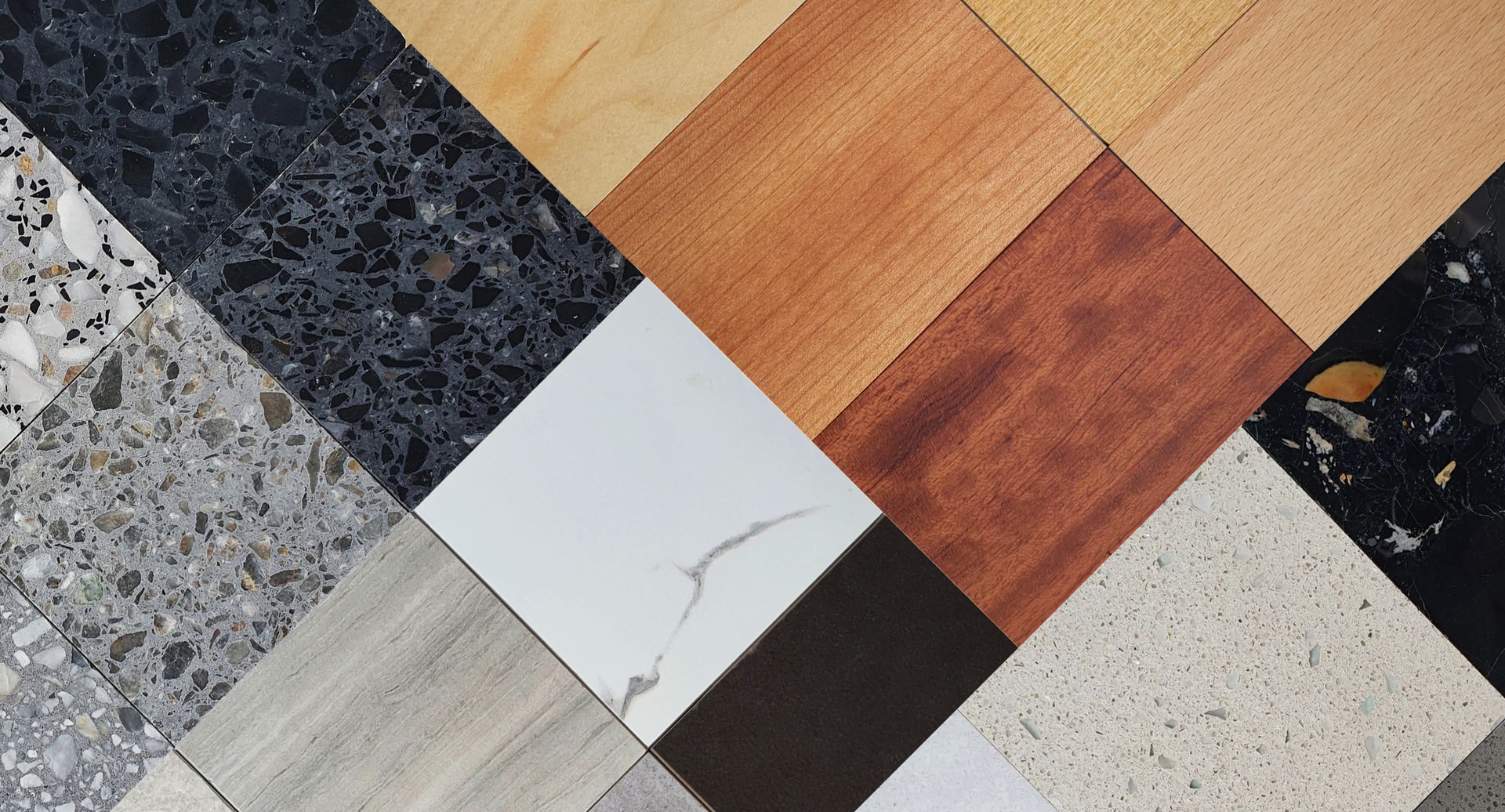
Different flooring materials do not have to match exactly, but they should complement one another.
Pay attention to undertones when selecting flooring. A warm-toned hardwood may pair naturally with warm beige or cream tile, while a cooler flooring color may work better with gray or neutral materials.
Trying to match two different wood-look products can sometimes create the opposite effect. If the colors are close but not quite the same, the difference may look accidental.
Instead, consider creating a clear but complementary contrast.
For example, a natural hardwood floor can transition beautifully into a patterned tile bathroom. Carpet in a coordinating neutral tone can also work well next to hardwood without trying to imitate its appearance.
Think About Flooring Transitions
Where two flooring materials meet can make a major difference in how polished the finished space looks.
Ideally, flooring transitions should happen at natural architectural boundaries, such as:
- Doorways
- Hallways
- Room entrances
- Changes in floor level
- Defined transitions between separate spaces
Avoid changing flooring in the middle of an open area unless the design specifically calls for it.
Professional installation can also help ensure transitions between different materials look clean and account for differences in flooring height.
Be Careful Mixing Flooring in an Open Floor Plan
Open-concept homes require a little more planning.
If the kitchen, dining area, and living room are visually connected, using three completely different floors can divide the space and make it feel smaller.
In these areas, one continuous flooring material often creates a cleaner appearance.
That does not mean you cannot introduce another material elsewhere. Tile in a nearby bathroom or carpet in a bedroom can still provide variety without interrupting the flow of the main living area.
Match the Flooring to the Room's Needs
A cohesive home is important, but appearance should not be the only consideration.
Different flooring materials offer different benefits.
Hardwood
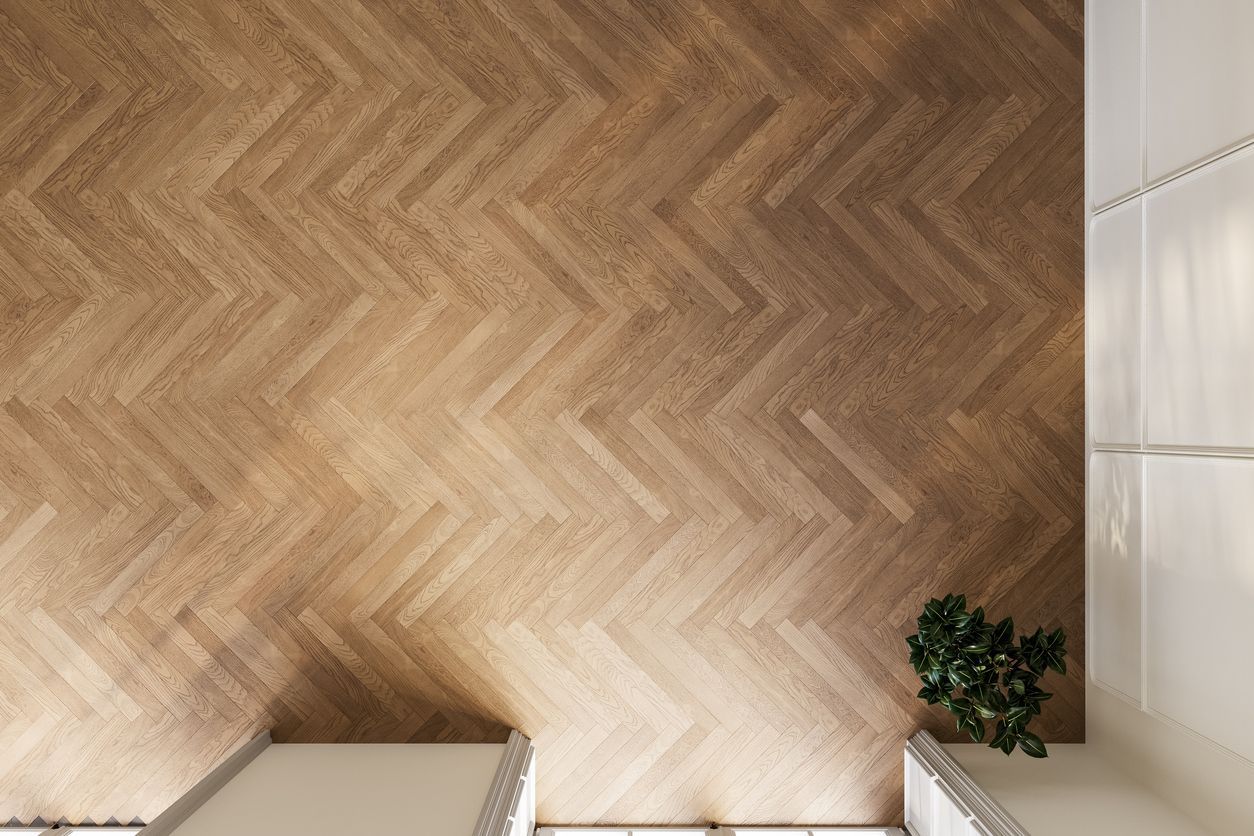
Hardwood provides a timeless, high-end appearance and can work beautifully in living rooms, dining rooms, bedrooms, and other areas of the home.
Luxury Vinyl Plank
LVP combines the appearance of wood with durability and water resistance, making it a versatile choice for busy households and high-traffic areas.
Waterproof Laminate
Waterproof laminate offers another wood-look option with durability that can make it a practical choice for many areas throughout the home.
Carpet
Carpet adds softness, warmth, and comfort. It remains a popular option for bedrooms, upstairs spaces, and areas where homeowners want a quieter, cozier environment.
Tile
Tile is durable and well suited for bathrooms, kitchens, laundry rooms, and other areas where moisture may be a concern.
Choosing flooring based on how each room is actually used can help you create a home that looks beautiful and performs well for years.
Should Upstairs and Downstairs Flooring Match?
Your upstairs and downstairs flooring do not necessarily need to match.
Because the two levels are naturally separated, you have more flexibility to use different flooring materials. For example, you might choose hardwood or luxury vinyl throughout the first floor and carpet throughout the second floor.
The staircase can help create a visual connection between the two spaces. A custom stair runner, coordinated wood tones, or complementary colors can make the transition feel intentional.
Don't Forget About the Rest of Your Interior Design
Your flooring should also complement permanent and semi-permanent features throughout your home.
Consider your:
- Cabinets
- Countertops
- Backsplash
- Wall colors
- Trim
- Furniture
- Staircase
- Window treatments
Looking at the entire room rather than the flooring by itself can help you make selections that continue to work as your interior design evolves.
When Should You Use the Same Flooring Throughout the House?
There are situations where using the same flooring across large portions of the home may be the better choice.
Continuous flooring can help smaller homes feel larger, make open floor plans feel more connected, and create a clean, modern appearance.
It can also simplify the selection process if you find a durable flooring option that works well for several different rooms.
However, there is no requirement that your entire home use one flooring material. A thoughtfully designed combination of hardwood, LVP, waterproof laminate, carpet, and tile can look just as cohesive.
Find the Right Flooring Combination for Your Home
Mixing different flooring types can give you the freedom to choose the right material for every room without sacrificing the overall look of your home.
The secret is creating consistency through complementary colors, intentional transitions, and a primary flooring that helps connect your spaces.
At Baldwin Family Flooring, we help homeowners in Franklin and throughout Middle Tennessee compare hardwood, luxury vinyl plank, waterproof laminate, carpet, tile, and other flooring options. Our team can help you determine which materials work best together and create a flooring plan that fits your home, lifestyle, and personal style.
Ready to update your floors? Visit Baldwin Family Flooring to explore your options and start planning your project.